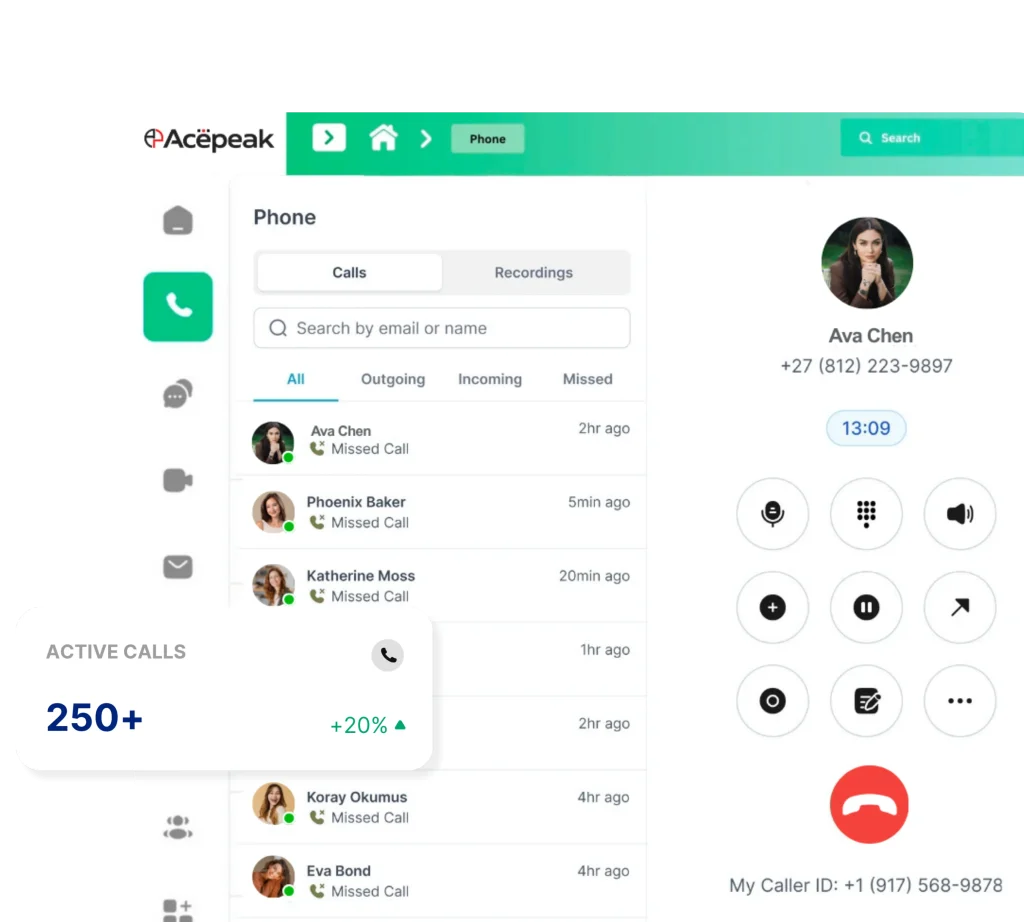
Introduction
In 2025, the demand for US phone numbers remains high, driven by international businesses seeking market access, freelancers needing professional lines, expats maintaining connections, and individuals safeguarding online privacy. While numerous services offer seemingly “free” US numbers, this allure often masks significant drawbacks. These no-cost options frequently carry hidden costs in the form of poor reliability, security vulnerabilities, functional limitations, and crucially, a high failure rate when receiving essential SMS verification codes required by many online platforms.
This guide analyzes 2025’s free US number options, detailing methods and exposing critical risks like verification failures and number instability. By contrasting these unreliable services with professional alternatives like Acepeak, we aim to help you make an informed choice for your communication needs.
Why Do You Need a US Phone Number in 2025?
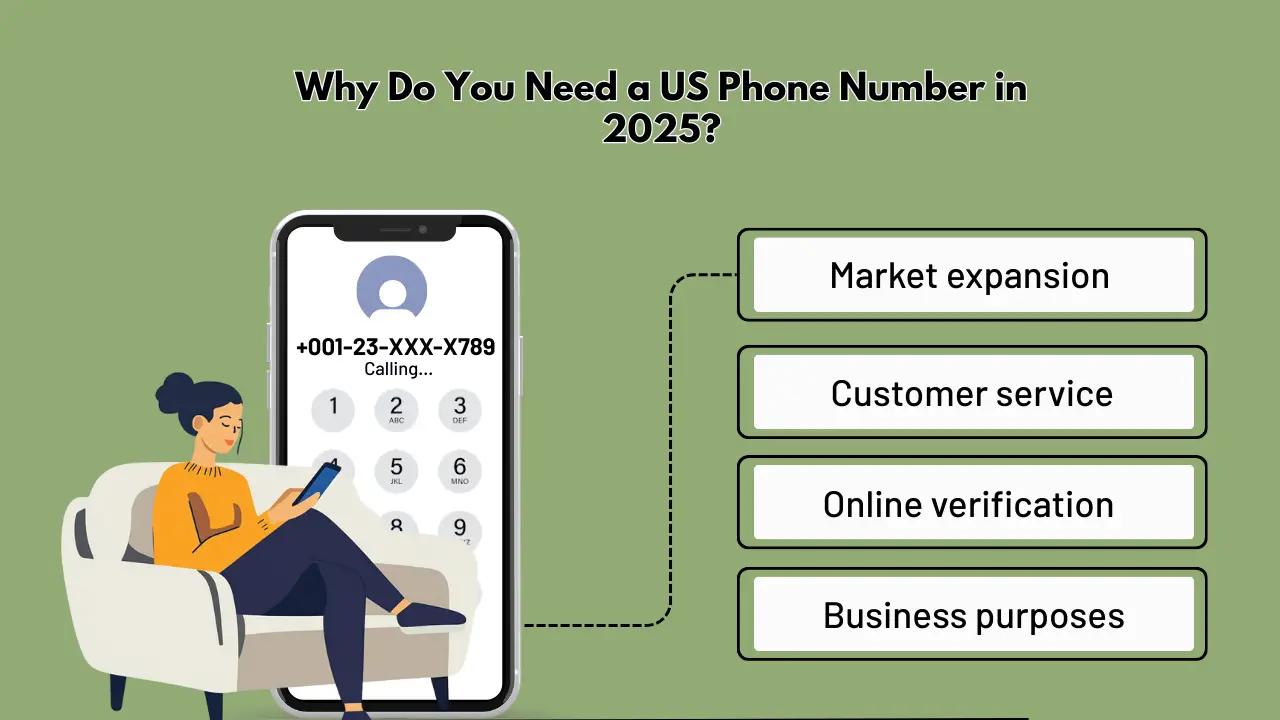
The need for US phone numbers in 2025 arises from diverse personal and professional needs influenced by the digital landscape and global business, fueling interest in virtual telephony, especially free options.
Personal Use Cases Driving Demand
- Enhanced Digital Privacy: Use a secondary US number for online sign-ups to shield your primary number from spam and data harvesting.
- Platform Access & Geo-Restrictions: Required by many US-based services (streaming, apps, banking) for account creation or verification.
- Maintaining US Connections: Simplifies communication and cuts international costs for expats, travelers, or those with US ties.
- Temporary Needs: Suitable for short-term tasks like one-time verifications or participating in US contests.
Business Imperatives for a US Presence
- Market Entry & Credibility: Offers a cost-effective way for international businesses to establish a local US presence and boost trust.
- Essential Service & App Verification: Crucial for verifying SaaS platforms, financial tools, and ad networks that mandate US numbers (often for 2FA).
- Localized Customer Support & Sales: Enhances customer experience with a local touch and improves sales outreach effectiveness.
- Marketing & Lead Generation: Stable local numbers build regional trust and perform better in campaigns than generic numbers..
Who Benefits Most (and Least) from a Free Number?
While seemingly universally appealing, free US number services are best suited for:
- Highly Casual Users: Individuals needing a number for very low-stakes, non-critical tasks where reliability and verification aren’t paramount.
- Temporary, Non-Sensitive Use: Short-term needs like entering a contest (where privacy isn’t a huge concern) or quick, informal communication.
- Testing the Waters: Someone very tentatively exploring a platform that requires a number, understanding it might not work reliably.
- Businesses of Any Size: Reliability, verification, and professionalism are key.
- Critical Personal Use: Account verification for important services (banking, email), primary contact number.
- Anyone Needing Consistent Verification: Essential for accessing most modern online platforms.
- Users Prioritizing Privacy & Security: Free services often have questionable data practices or inherent security flaws.
How to Get a Free US Number? Exploring the Options & Their Catches
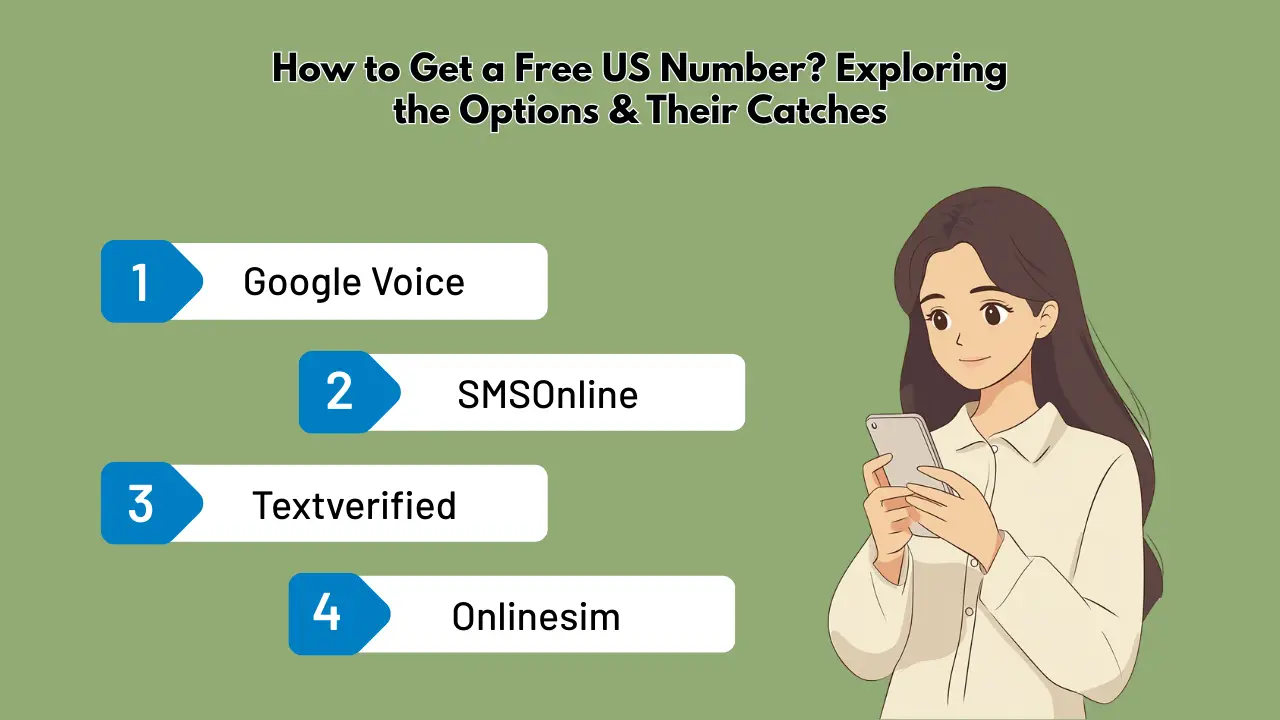
The internet offers pathways to seemingly free US numbers, but understanding their operation and compromises is crucial.
Method 1:Google Voice (The Popular but Restricted Option)
Offers a US number for calls/SMS/voicemail via Google’s platform.
- How it Works: Leverages Google’s infrastructure; a value-add for eligible users.
- How to Try to Get It: Requires being physically in the US and verifying with an existing, active US phone number – the main hurdle. Involves standard Google sign-in and number selection.
- Pros: Generally reliable after activation, Google integration, free US/Canada usage.
- Cons/Risks:Mandatory US number verification excludes many. Increasingly blocked for SMS verification by services (WhatsApp, banks). Service reliability not guaranteed; potential privacy issues.
Method 2: Freemium VoIP Apps (Ad-Supported Services like TextNow, TextFree)
Mobile apps providing US numbers via VoIP, often ad-supported on free tiers.
- How They Work: Calls/texts use the internet. Revenue from in-app ads or paid upgrades removing ads/adding features.
- Example Provider: TextNow
- How to Get a Number: Download app, sign up (email/social), grant permissions, choose area code and number.
- Pros: Relatively easy sign-up, usually has a free tier, accessible via app.
- Cons/Risks: Intrusive ads. Major risk of number recycling due to inactivity. Highly unreliable SMS verification. Call quality depends heavily on internet stability. Privacy concerns (data collection). Limited free features.
- General Freemium VoIP Issues:
- Network Dependency: Poor internet causes call quality issues (lag, drops).
- VoIP Number Identification: Frequently flagged and blocked by verification systems.
- Shared Resources: Free users may experience lower performance than paid users.
Method 3: Public Disposable Number Sites (High Risk – Proceed with Extreme Caution)
Websites offering temporary use of shared numbers for receiving SMS publicly online.
- How They Work: Users select a number; incoming SMS are displayed publicly on the website. Calling features are typically absent.
- Why They Exist: Primarily for one-time, anonymous SMS reception where message privacy isn’t needed.
- Extreme Risks & Limitations:Absolutely No Privacy (public messages). Highly insecure and prone to abuse. Utterly unreliable (numbers change, blocked). Useless for verification. Operates in a regulatory gray area.
- Recommendation: Avoid these sites for any serious purpose; unsuitable for business or personal use needing security/reliability.
Method 4: Free Trials from Paid Providers (Temporary Access)
Many reputable paid virtual number services offer limited free trial periods.
- How it Works: Sign up for a trial (often needs payment details) to test features for a set time (e.g., 7-14 days).
- Pros: Temporarily access premium features (reliability, verification success). Allows service evaluation before purchase.
- Cons:Strictly temporary. Requires cancellation to avoid charges. May have usage limits during trial. Doesn’t solve long-term number needs.
The Critical Limitations & Risks of Free US Numbers
Beyond the specific methods, a critical assessment reveals systemic flaws inherent in most free US number solutions, rendering them inadequate for anything beyond the most casual use.
The Reliability Deficit: Calls, Texts, and Downtime
Free services lack the robust infrastructure of paid options, leading to:
- Inconsistent Call Quality: Frequent issues like jitter, latency, and dropped calls, especially with poor internet.
- Delayed or Lost SMS Messages: Critical messages, including 2FA codes or texts, may be significantly delayed or never arrive.
- Service Intermittency & Number Loss: Numbers can abruptly stop working due to policy changes, glitches, or recycling, disrupting communication.
The Verification Code Gauntlet: Why Free Numbers Consistently Fail
Failure to receive SMS verification codes reliably is a major drawback of free services.
- Aggressive VoIP Number Blocking: Platforms increasingly block numbers from known free VoIP providers to prevent fraud.
- Short Code Delivery Challenges: Free VoIP often has poor support for receiving messages from all SMS short code providers.
- Explicit Platform Policies: Major platforms like WhatsApp often officially block or discourage VoIP numbers for verification.
Security Vulnerabilities & Data Privacy Nightmares
Using “free” services can mean sacrificing data privacy or accepting security risks.
- Questionable Data Handling: Ad-supported services often track user data extensively with vague privacy policies.
- Risk of Interception: Public disposable sites have clear risks; app-based service security can vary.
- Account Lockout Risk: Losing access to a free number used for account recovery can lock you out of linked services.
The Number Recycling Trap: Losing Your Digital Identity
Many free app providers reassign inactive numbers (“recycling”).
- Loss of Established Identity: Your number identity is lost, disrupting contacts and access to linked accounts.
- “Crossed Wires” and Privacy Breaches: Receiving calls/texts intended for previous number owners causes confusion and potential privacy issues.
- Inability to Port Out: Free numbers are typically non-portable, creating vendor lock-in or forcing you to get a new number if you switch providers.
The Strategic Alternative: Investing in Reliable Communication with Acepeak
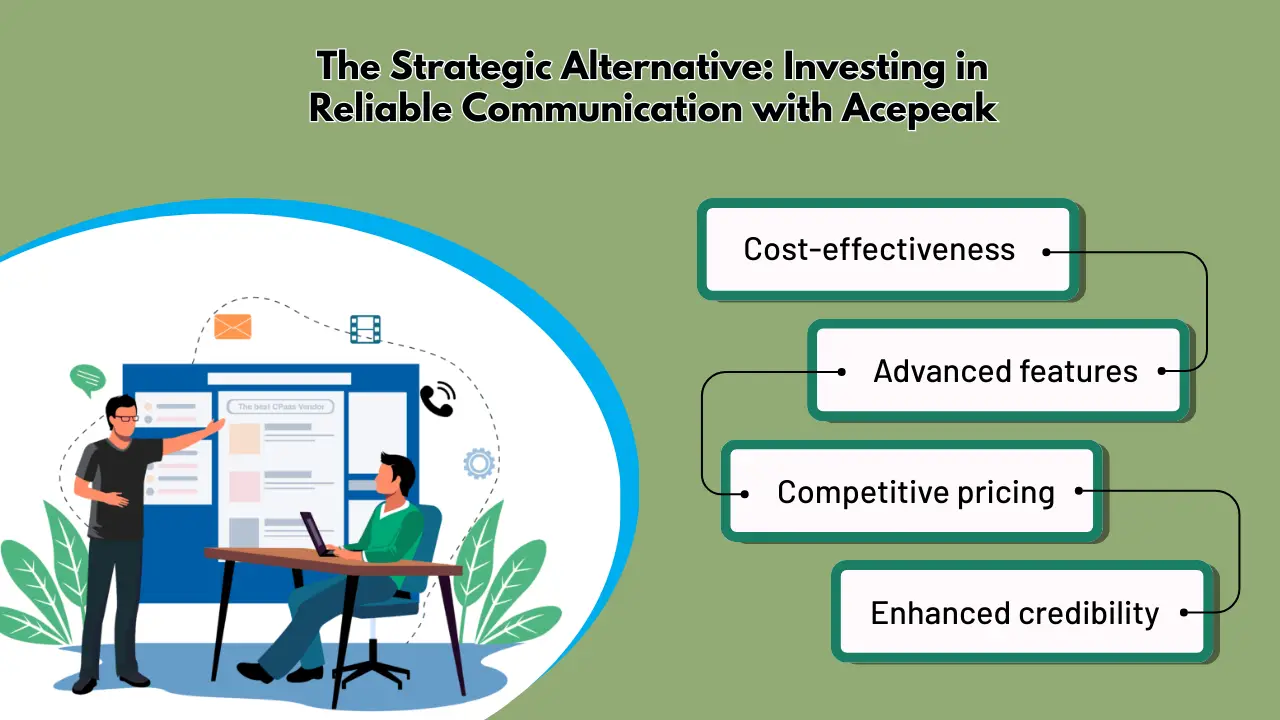
While the appeal of a free US number is understandable, particularly for budget-conscious users or non-essential tasks, the extensive drawbacks highlight a critical truth: for any serious personal or business use, reliability is paramount. Relying on unpredictable, insecure, and functionally limited free services often introduces more problems than it solves.
Why “Free” Can Be More Costly in the Long Run
The hidden costs of unreliability quickly outweigh the zero upfront price:
- Lost Revenue & Opportunities: Missed sales calls, inability to verify access to essential business platforms (CRM, Ads, Payment), and failed customer interactions directly impact your bottom line.
- Damaged Reputation: Dropped calls, delayed support responses, or the unprofessionalism associated with frequently changing or unreliable numbers erode customer trust and brand perception.
- Operational Inefficiency: Time spent troubleshooting faulty numbers, dealing with constant verification failures, or managing spam on recycled numbers is time not spent on core activities.
- Security Risks: Using insecure numbers for sensitive communications or account recovery opens doors to fraud, data breaches, and account hijacking. The potential cost of a security incident dwarfs any savings from a free number.
Key Features & Benefits of Acepeak’s US Virtual Numbers
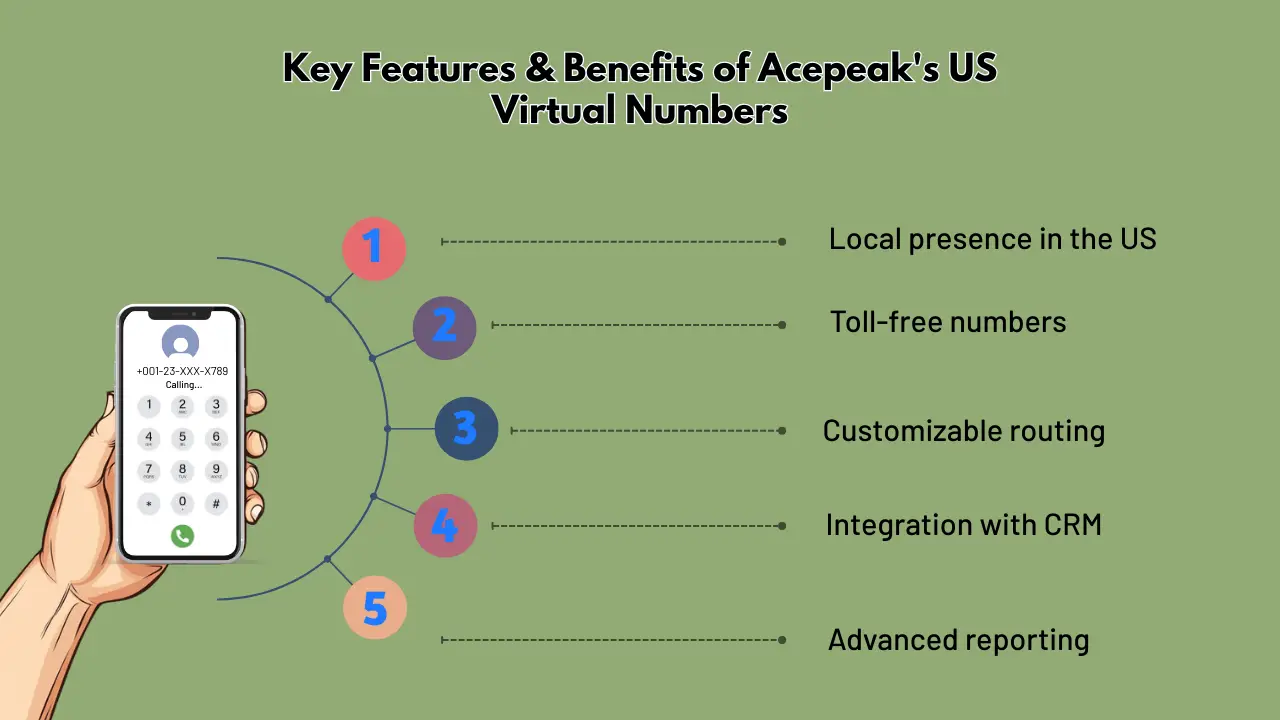
Acepeak offers features engineered to overcome free service shortcomings and provide a robust communication backbone:
- Dedicated, Stable US Numbers You Can Count On: Get a private, dedicated virtual number that isn’t recycled, ensuring consistent identity and communication.
- Carrier-Grade Reliability & Superior Call Quality: Robust infrastructure ensures high uptime, clear call quality comparable to traditional carriers, and reliable SMS/MMS delivery.
- Guaranteed SMS Verification Success: Optimized systems ensure high compatibility for successful verification with WhatsApp, Google, banks, and more.
- Advanced Business Features for Growth: Go beyond basics with tools to enhance efficiency:
- Professional Call Handling: Implement Auto-Attendant (IVR) and advanced call forwarding (time-based, simultaneous ring, etc.).
- Voicemail Efficiency: Receive voicemail transcriptions via email for quick review and searching.
- Quality Assurance & Record Keeping: Use call recording for training or verifying details (Note: Ensure compliance with consent laws).
- (Potentially add Analytics, CRM Integrations, Business Hours)
- Uncompromising Security & Privacy: Strong security protocols (e.g., TLS/SRTP encryption) and transparent privacy policies protect your data, unlike ad-driven models. Expect secure access options like 2FA.
- True Number Portability (In & Out): Port your existing number in, and crucially, port your Acepeak number out if you switch providers, avoiding vendor lock-in.
- Dedicated Customer Support When You Need It: Access knowledgeable support via various channels for prompt help, unlike the minimal support from free services
Comparative Analysis: Free Options vs. Acepeak
To clearly illustrate the differences, let’s compare typical free services with a professional provider like Acepeak:
(Table 1: Feature & Reliability Comparison)
| Feature/Aspect | Typical “Free” Service (e.g., Ad-Based VoIP App) | Professional Paid Provider (Acepeak) | Analyst Insight |
| Number Type | Shared Pool or Recycled VoIP | Dedicated, Private Virtual Number | Dedicated numbers enhance professionalism and eliminate crossed-wire/spam risks. |
| Reliability (Calls) | Variable (Depends on Internet, Provider Load) | High (Carrier-grade infrastructure) | Business continuity demands high reliability unavailable in most free tiers. |
| SMS Verification | Very Low Success Rate (Often Blocked) | High / Guaranteed Success Rate | Reliable verification is critical for platform access; a key paid value-add. |
| Number Stability | Low (Risk of Recycling due to Inactivity) | High (Number remains yours while active) | Stability is crucial for maintaining contact identity and avoiding disruption. |
| Privacy | Variable (Ad Tracking, Data Policies often vague) | High (Clear Policies, No Ad Tracking for revenue) | Paid services prioritize user privacy and data security as part of the value prop. |
| Security | Basic / Variable | High (Robust Encryption, Secure Practices) | Essential for protecting sensitive communications and account access. |
| Advertisements | Often Intrusive | None | Provides a cleaner, more professional user experience. |
| Customer Support | Minimal / Forum-Based / None | Available (Multiple Channels – Email, Chat, Phone) | Access to support is essential for troubleshooting and issue resolution. |
| Advanced Features | Basic Calling/Texting / None | Wide Range (IVR, Forwarding, Recording, Analytics) | Paid services offer features supporting business processes and scalability. |
| Primary Funding | Advertising / Upselling Data | Subscription Fees | Subscription model aligns provider incentives with service quality & reliability. |
| Portability (Out) | Typically No | Yes | Portability provides long-term flexibility and avoids vendor lock-in. |
Choosing Wisely: Selecting the Right Paid Virtual Number Provider
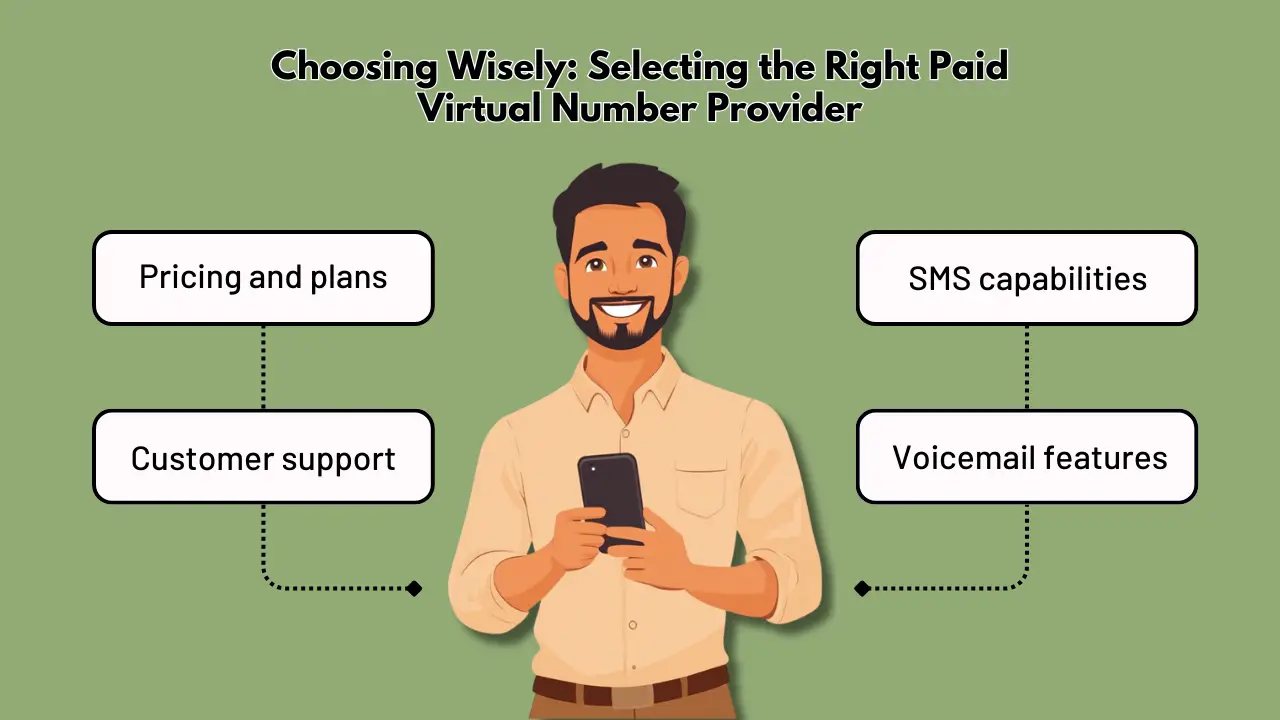
Once you recognize the limitations of free options and decide to invest in a reliable paid service, selecting the right provider is key. Don’t just pick the first one you find; evaluate them based on these critical factors:
- Clearly Define Your Needs: What are your must-have features? Reliable SMS verification? Call forwarding? IVR? Call recording? International calling capabilities? List your core requirements versus nice-to-haves to narrow down providers that fit.
- Scrutinize Pricing and Transparency: Look for clear, upfront pricing structures. Understand exactly what’s included in each plan tier (minutes, texts, features). Beware of hidden fees, setup charges, or long-term contracts if you need flexibility. Check scalability – can the plan grow with you? to see how affordable reliability can be.
- Investigate Call Quality and Reliability Reputation: Don’t take claims at face value. Search for independent reviews, testimonials, or case studies focusing on call clarity and service uptime. If possible, utilize a free trial (if offered) specifically to test call quality to and from your key locations. Look for providers mentioning carrier-grade infrastructure.
- Examine Security Practices and Privacy Policies: This is non-negotiable. Verify that the provider uses strong encryption standards (TLS for signaling, SRTP for media). Read their privacy policy carefully – how is your data used, stored, and protected? Do they offer Two-Factor Authentication (2FA) for account security?
- Assess Customer Support Availability and Quality: Check the available support channels (phone, email, chat) and their operating hours. Are they aligned with your time zone or business hours? Look for user feedback on support responsiveness and effectiveness. Good support can be invaluable when issues inevitably arise.
- Confirm Number Portability Options: This is crucial for long-term flexibility. Ensure the provider explicitly allows you to port your number out to another carrier if you choose to leave their service later. Also, check if they allow porting in an existing number if you have one you want to keep.
Troubleshooting Common Free Number Issues (and Why Upgrading is Often the Only Real Fix)
Users relying on free US number services inevitably encounter frustrating problems. While some minor troubleshooting might offer temporary relief, the underlying limitations often mean the only permanent solution is switching to a reliable paid provider.
Scenario 1: Verification Code Not Received
Problem: The most frequent complaint – SMS verification codes from WhatsApp, Google, banks, etc., fail to arrive on the free number.
Answer: Try resending code, check for call verification option, or restart app/phone. If codes consistently fail, the VoIP number is likely blocked systemically. The reliable solution is switching to a provider like Acepeak, known for successful verification.
Scenario 2: Number Suddenly Stops Working
Problem: You can no longer make/receive calls or texts; the free number appears dead or inactive.
Answer: Check for service outages or if the number was recycled due to inactivity (check T&Cs). If recycled/terminated, the number is likely gone permanently. The best course is to get a new, stable number from a paid provider like Acepeak and update contacts/accounts.
Scenario 3: Receiving Unwanted Calls/Texts for Someone Else
Problem: Your “new” free number gets spam or messages clearly intended for a previous owner, due to number recycling.
Answer: You can block specific numbers, but this won’t stop the flow if the number was heavily used before. This is an inherent issue with recycled numbers. The only real solution is to obtain a dedicated, private number from a service like Acepeak.
Getting Started with Acepeak: A Simple Path to Reliable Communication
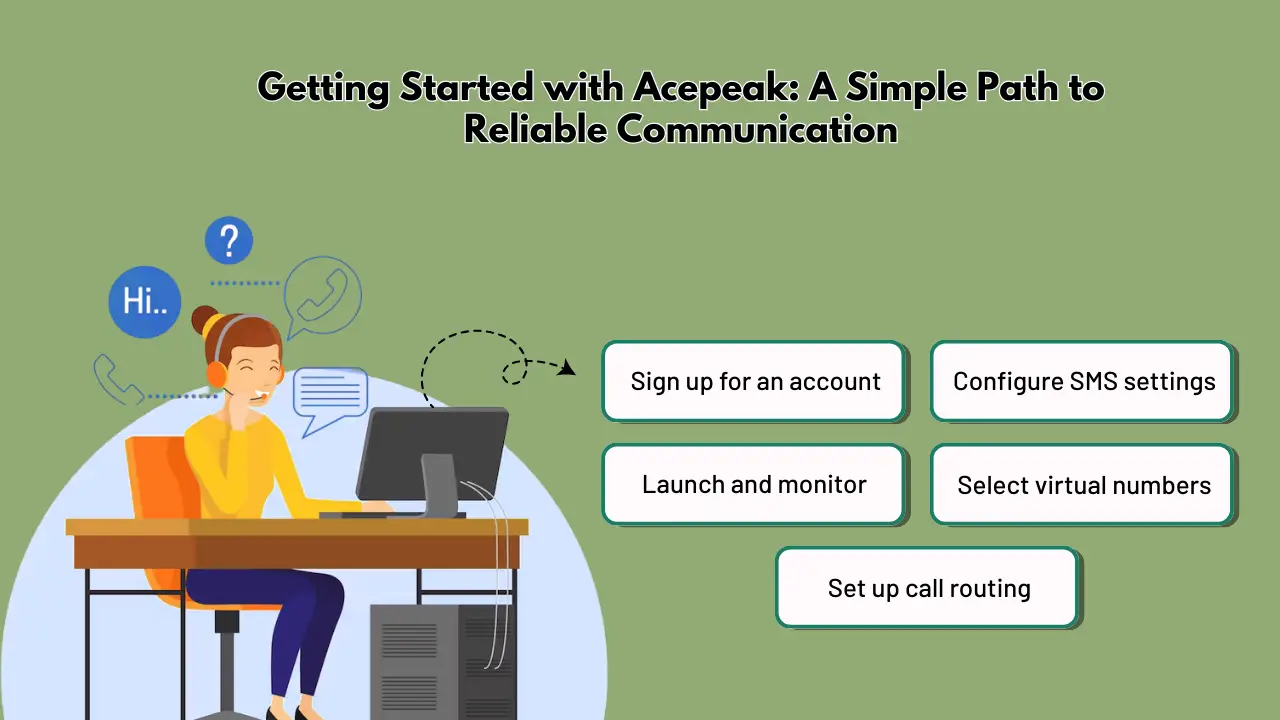
Ready to ditch the unreliability and limitations of free numbers? Switching to Acepeak is straightforward:
- Visit the Acepeak Website: Navigate to the official Acepeak homepage.
- Explore Plans & Pricing: Review the different subscription tiers offered. Compare features and usage allowances to find the plan that best matches your needs and budget. Click here to see Acepeak’s Plans
- Sign Up & Choose Your Number: Select your desired plan and proceed with the signup process. You’ll typically be able to choose a new US number from available area codes or inquire about porting in your existing number.
- Configure Your Features: Once your account is active, log in to your dashboard. Set up call forwarding rules, record your voicemail greeting, configure your IVR menu (if applicable), and customize other settings to your preferences.
- Start Communicating Reliably: Download the Acepeak app (if available) or configure your VoIP device/softphone. Begin making and receiving calls and texts with the confidence that your communication lines are stable, secure, and professional.
Conclusion:
While free US numbers (via Google Voice, VoIP apps) are available in 2025, they bring significant compromises like unreliability, SMS verification failures, number recycling, ads, and privacy concerns. Disposable sites are highly insecure.
For reliable business or personal use requiring stable access and verification, these free options pose unacceptable risks. Investing in a professional paid service like Acepeak is a strategic decision, guaranteeing the security, reliability, features, and stability needed, thus avoiding the hidden costs and frustrations of the “free” model. Choose dependability for peace of mind and performance.